Designing spaces for connection
Thoughtful layouts Encourage gathering.
Great design supports human connection.
The way furniture is arranged, how lighting is layered, and how sound travels through a space all influence whether people feel comfortable lingering—or eager to leave.
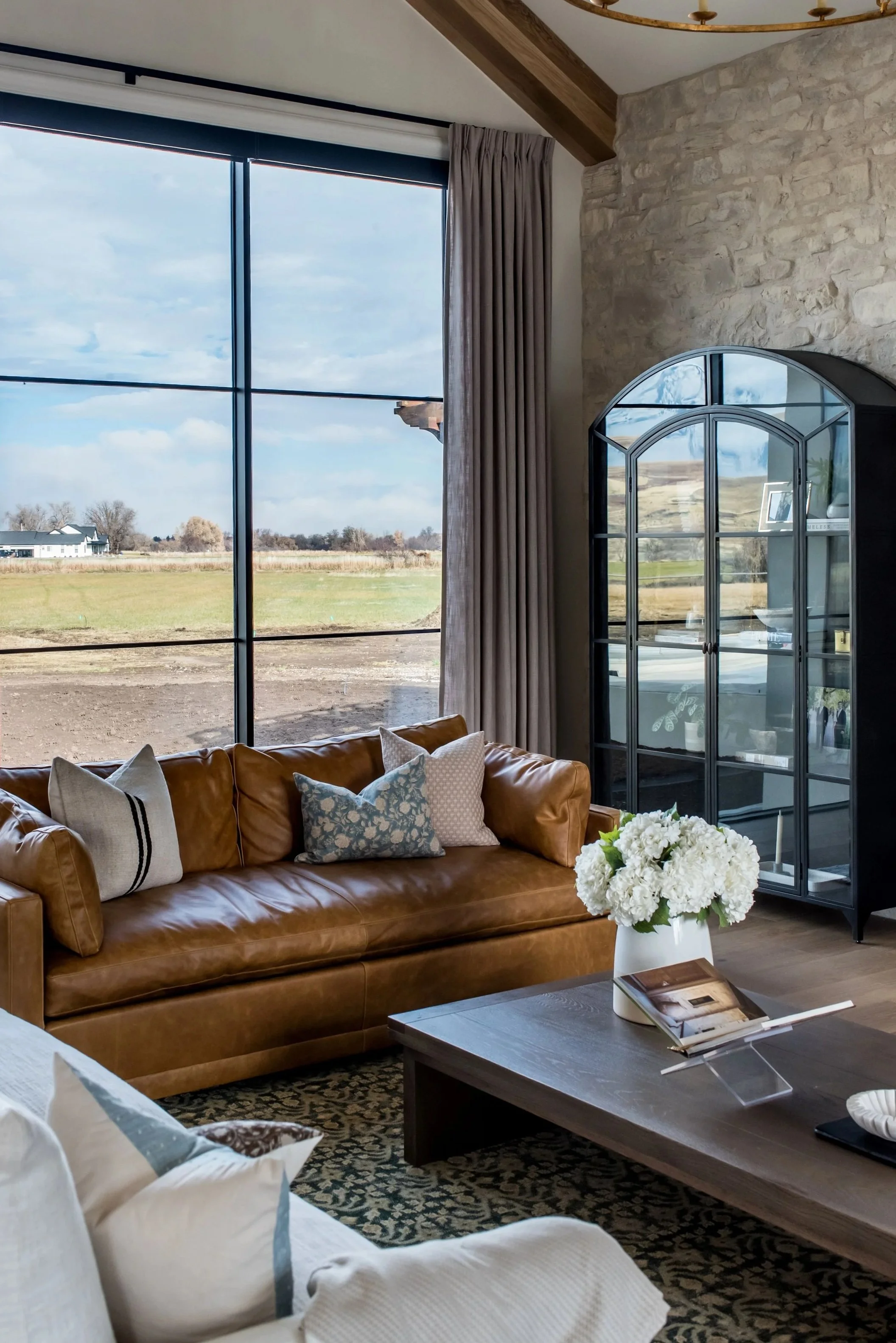
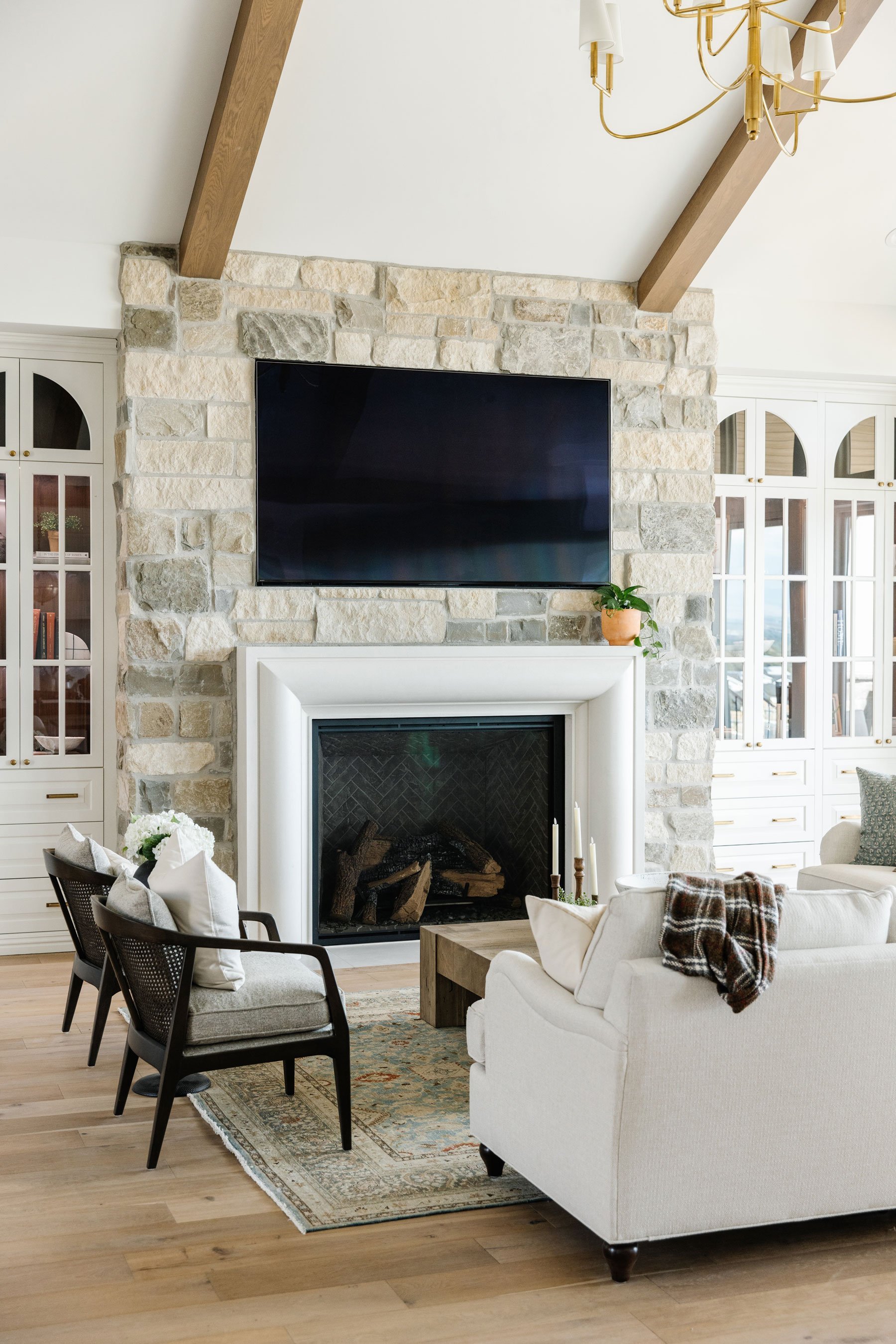
In homes designed for connection, furniture placement comes first. Seating should face inward, encouraging conversation rather than directing attention outward. Chairs pulled too far apart or rooms oriented solely around a television can unintentionally discourage interaction.
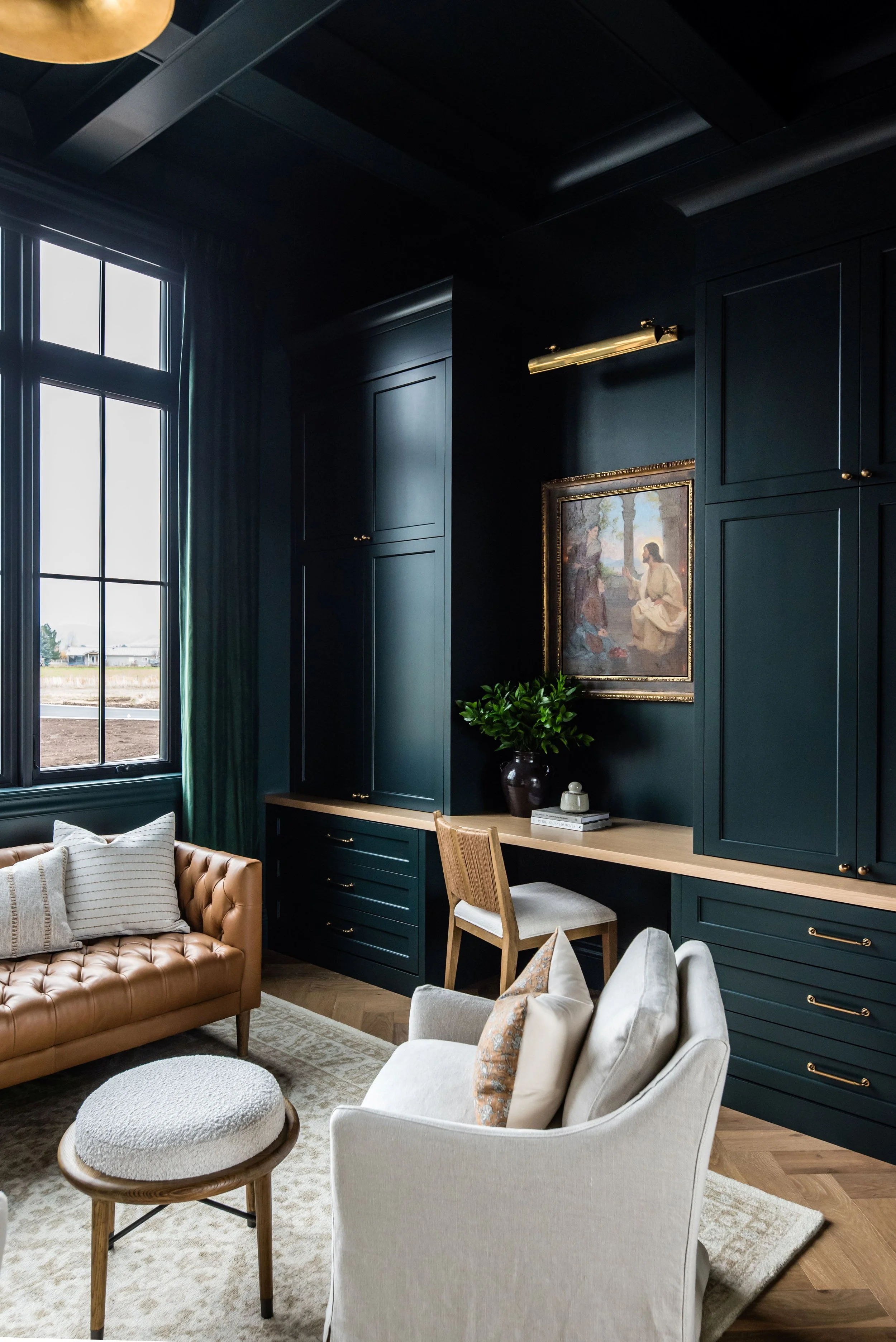
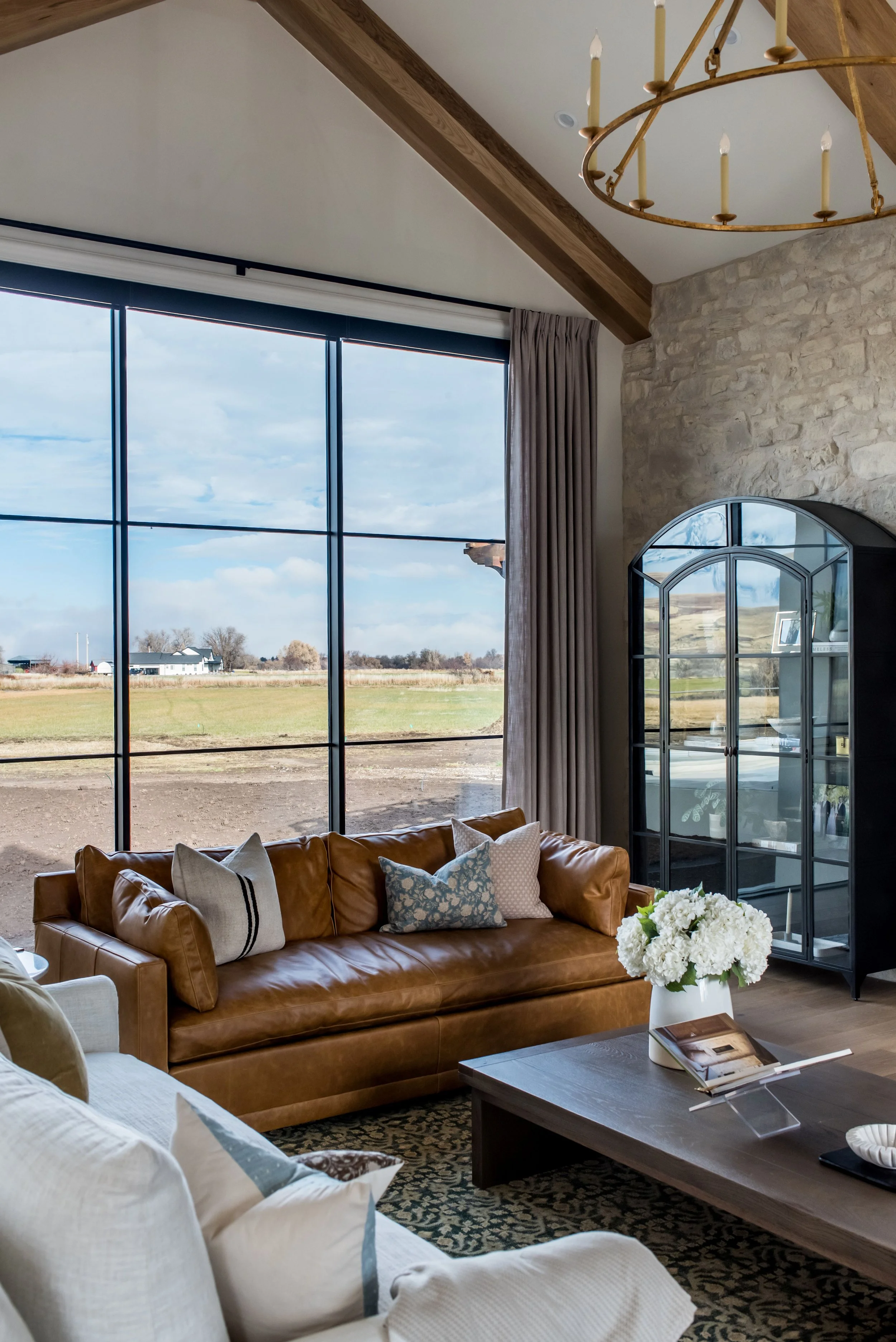
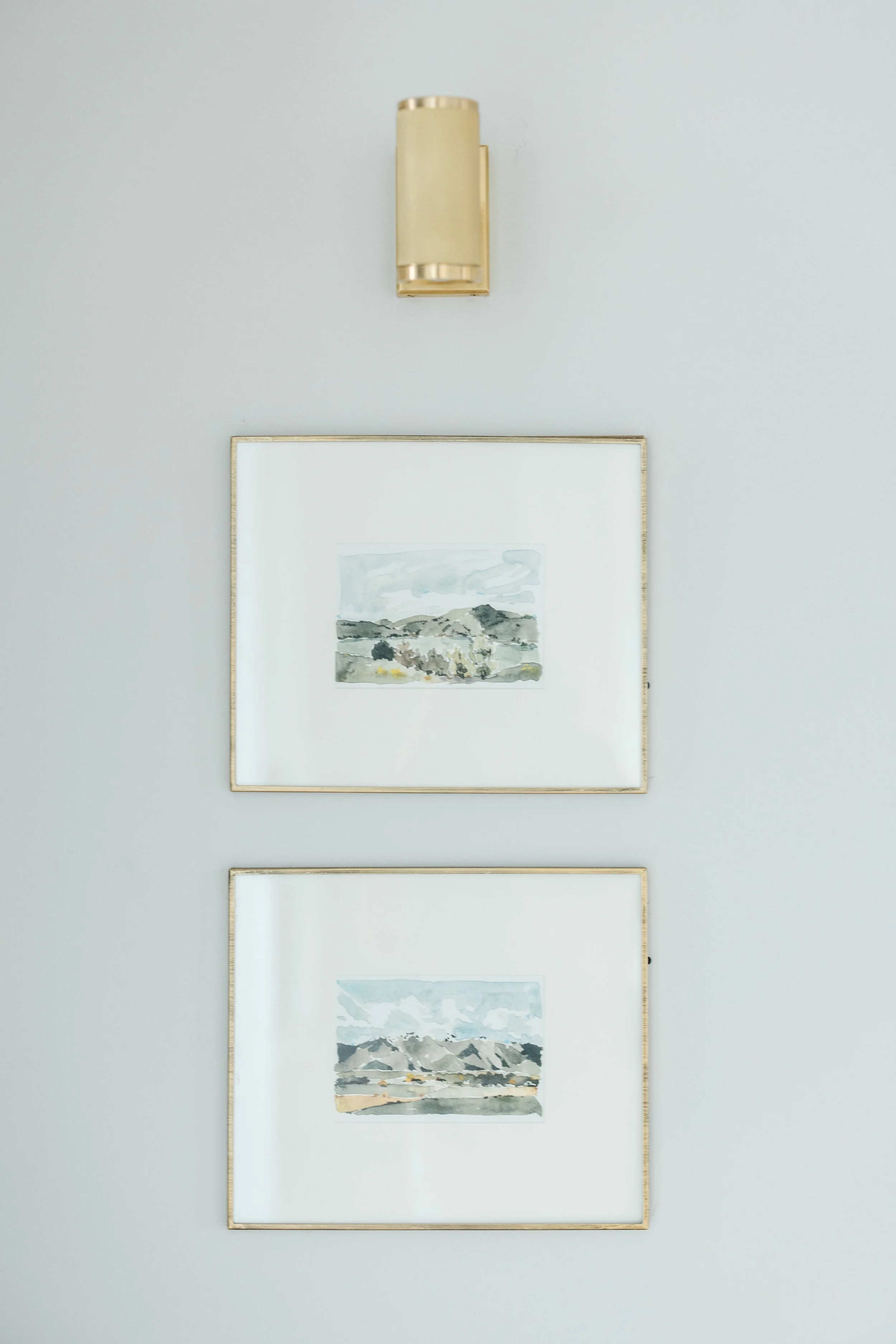
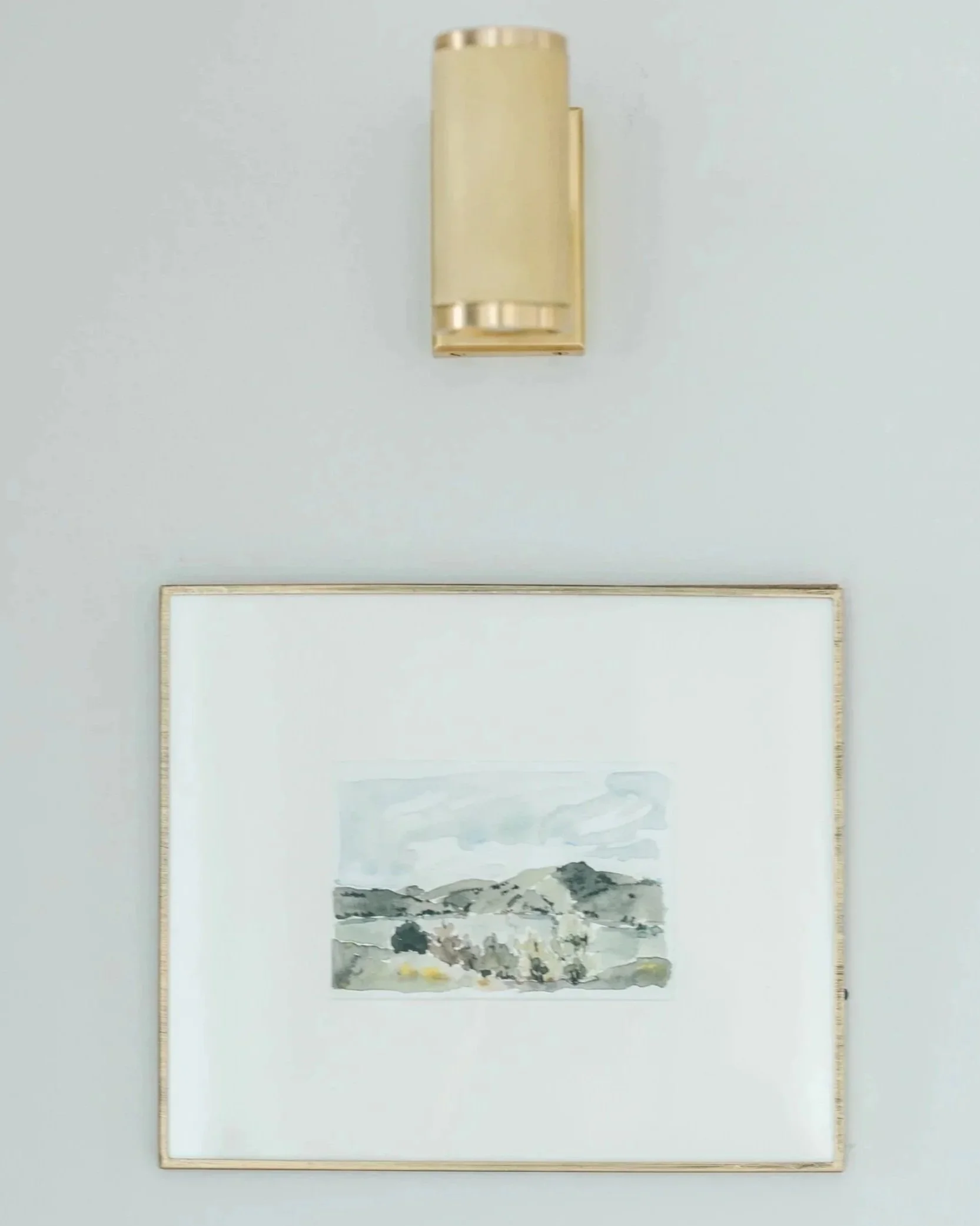
Lighting reinforces this sense of intimacy. Softer, lower light levels make spaces feel welcoming and relaxed. Multiple light sources allow rooms to adapt to different moments—lively gatherings, quiet conversations, or evenings spent together.
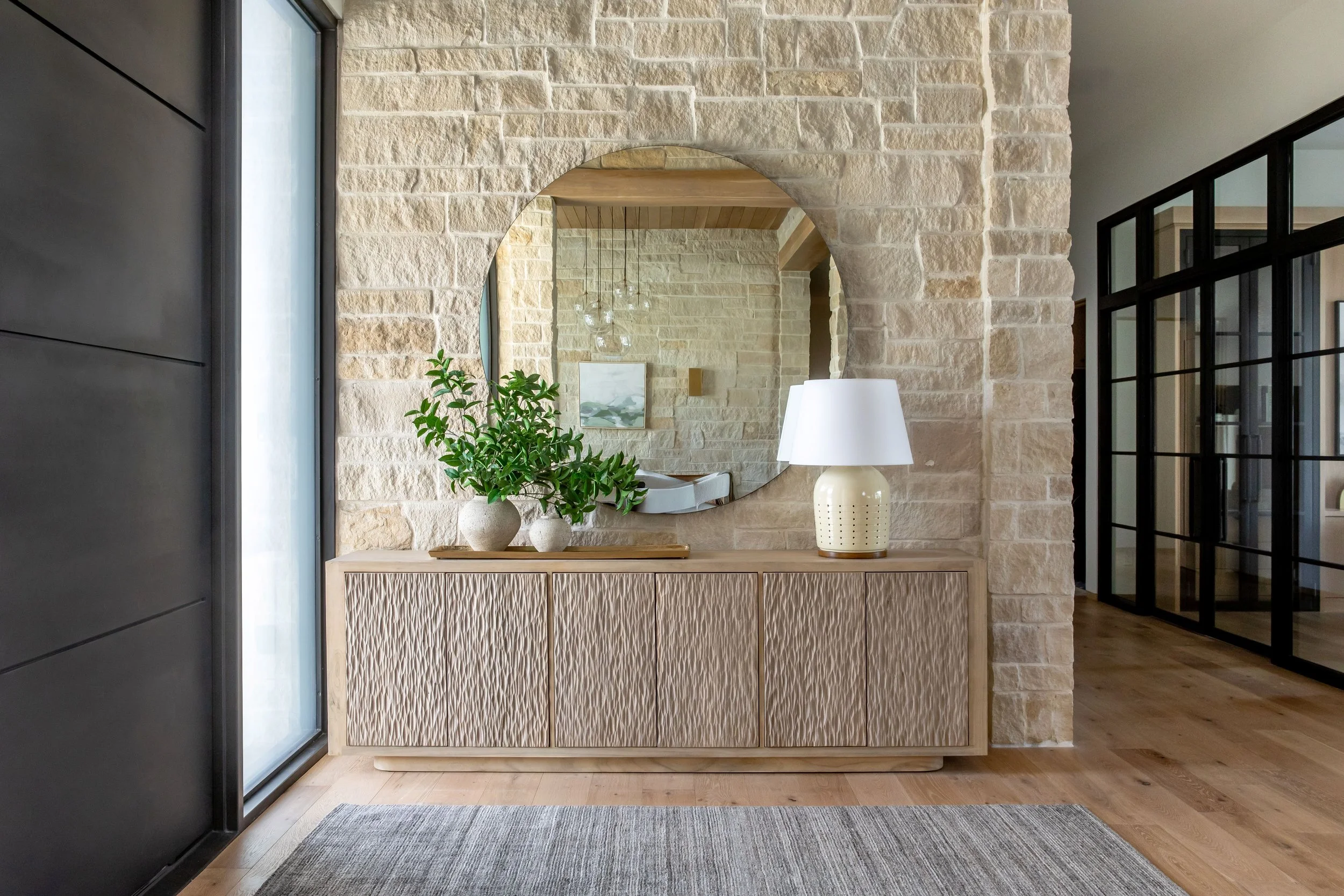
Scale also matters. Oversized rooms without defined zones can feel impersonal. Thoughtful grouping of furniture creates pockets of connection within larger spaces, making them feel approachable rather than overwhelming.
Ultimately, spaces designed for connection feel natural. They don’t force people together—they make togetherness easy.
When design supports how people gather, homes become places where memories are made, not just admired.