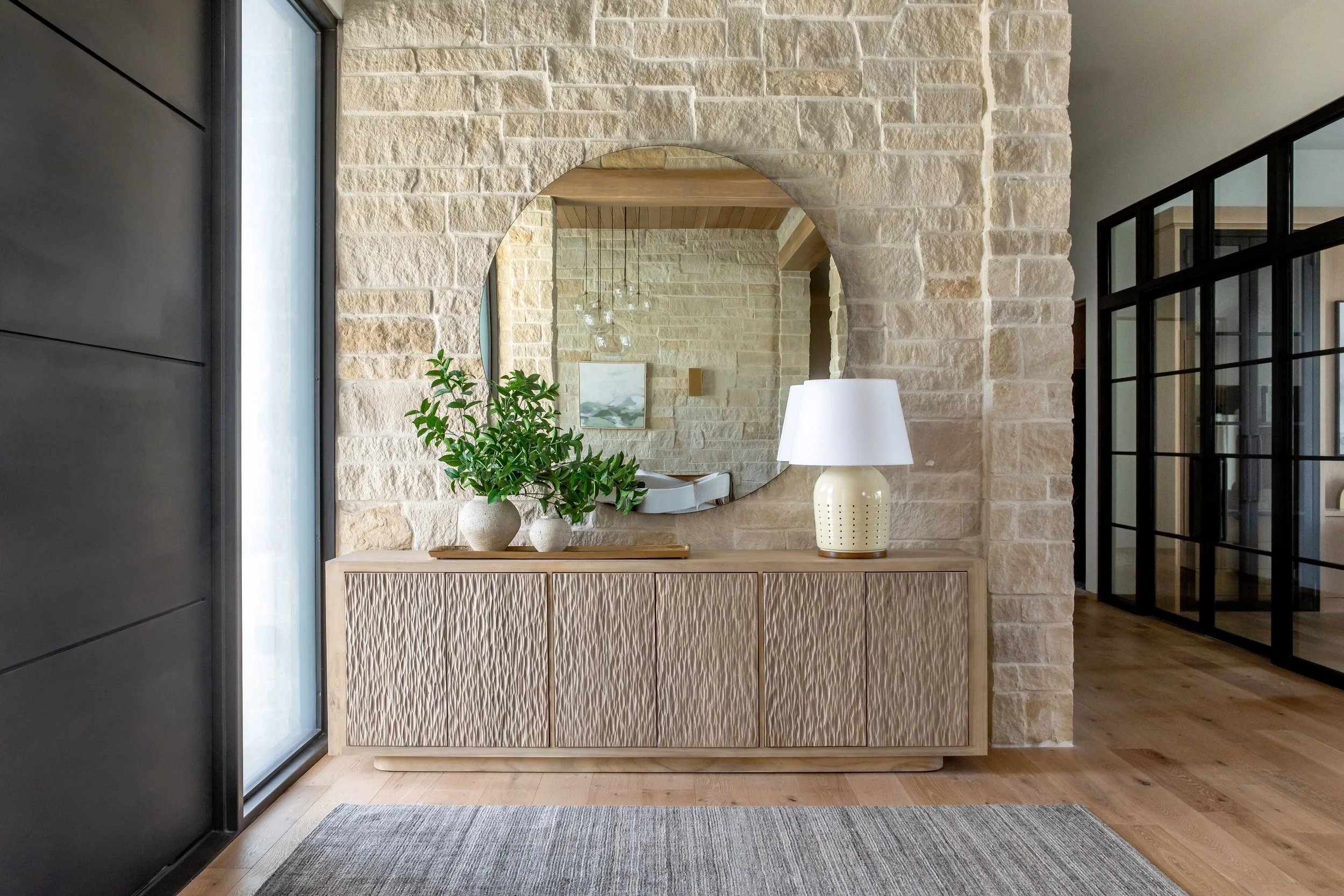
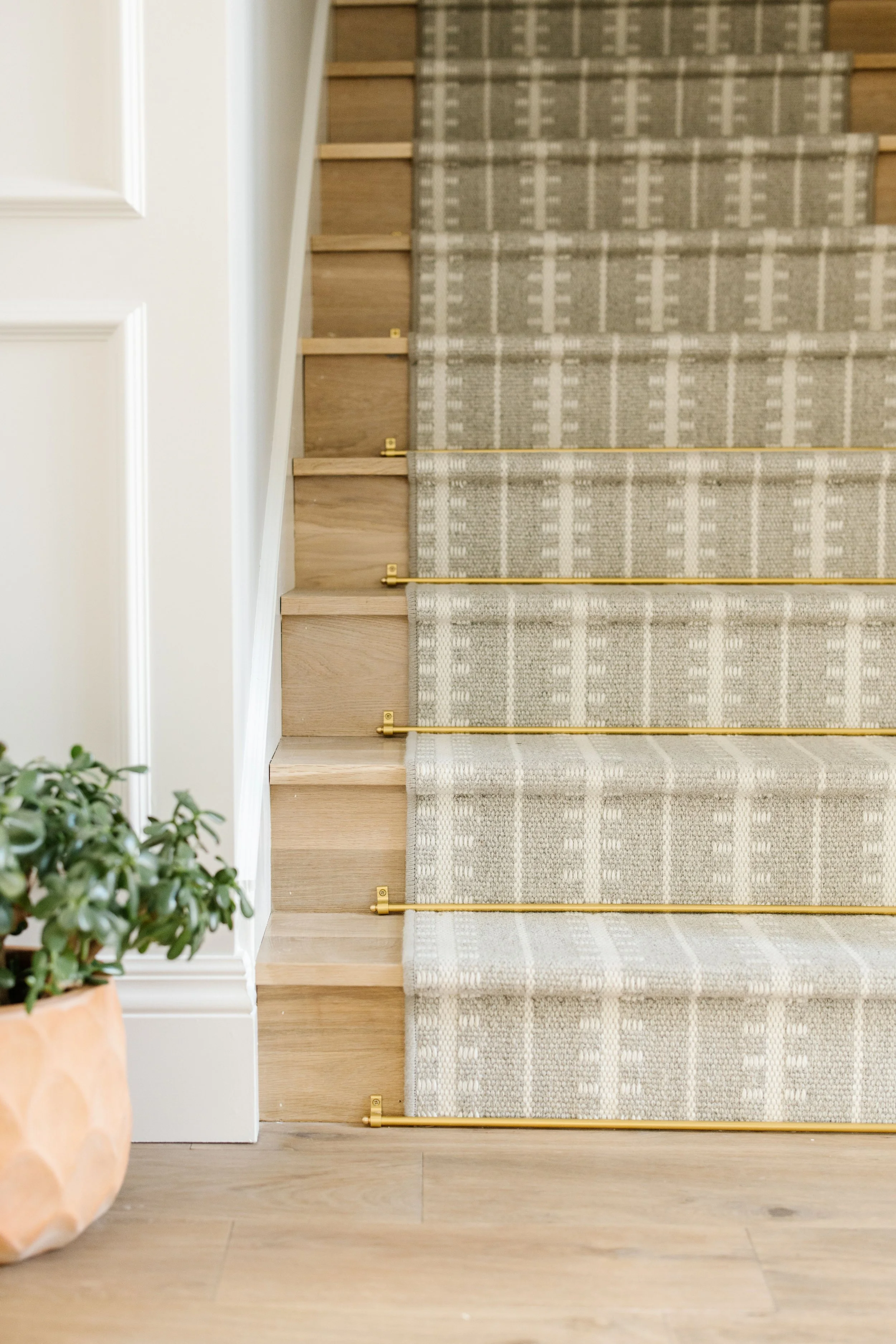
How the Right Rug Can Instantly Give a Space New Life
If there’s one design element I reach for again and again when a space feels unfinished or a little flat, it’s a rug. Rugs are often underestimated, but when they’re chosen well, they can completely change how a room looks and feels—without a major renovation or starting from scratch.
I think of rugs as the foundation of a room. They ground furniture, add warmth, introduce texture, and quietly tie everything together. Whether you’re refreshing a living room, bedroom, or dining space, the right rug can give a space new life in a way that feels thoughtful and timeless.
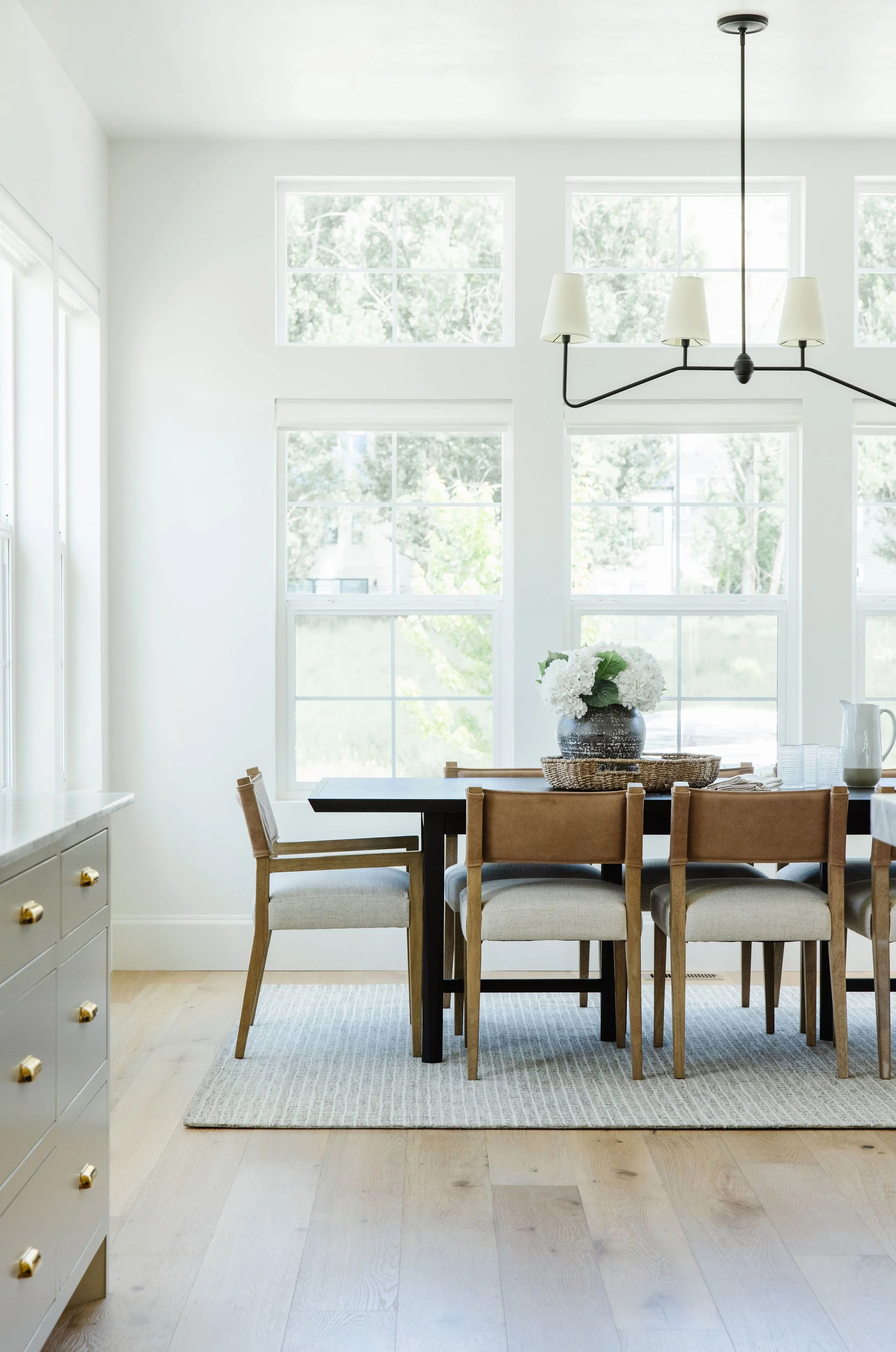
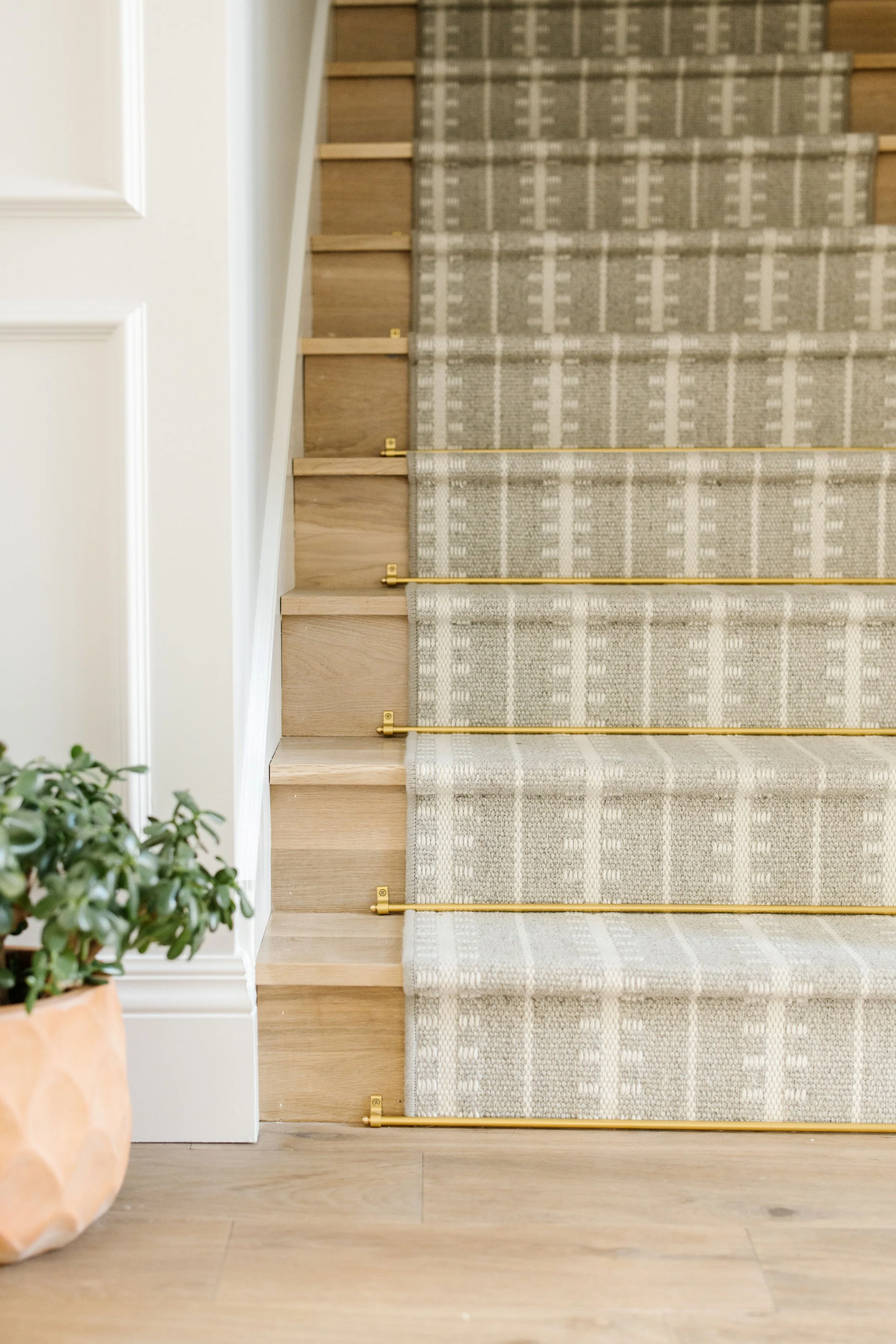
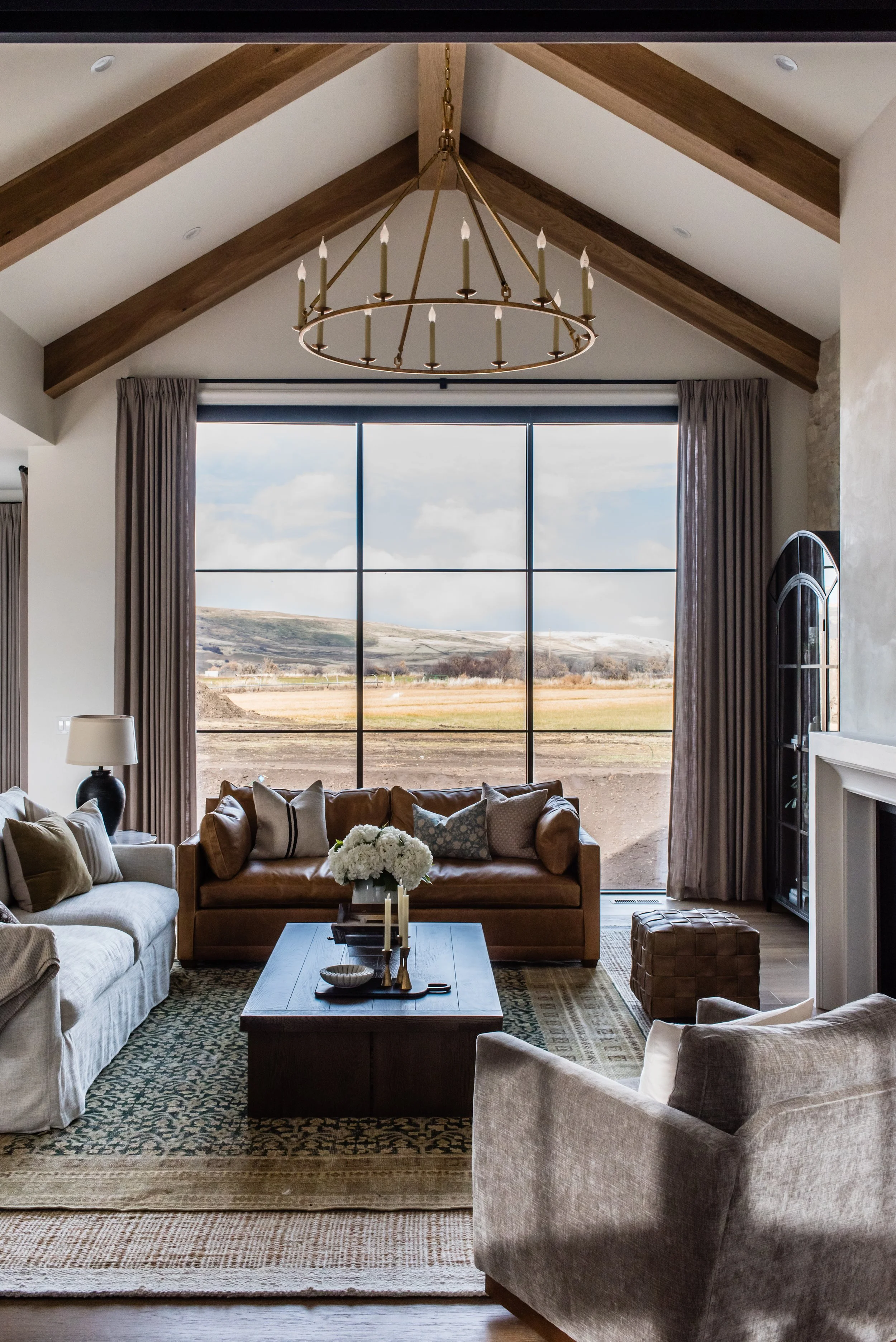
Rugs Define the Space (Even When Walls Don’t)
Especially in open-concept homes, rugs do a lot of behind-the-scenes work. They define zones and give furniture a sense of place. A properly sized rug tells your eye, this is where the living room begins. Without one, furniture can feel like it’s floating or disconnected.
This is something I pay close attention to when designing custom homes—how each area feels grounded while still flowing naturally into the next.
Texture Changes Everything
Even in a neutral space, texture is what keeps a room from feeling flat. Rugs soften hard materials like wood and stone, add comfort underfoot, and immediately make a space feel more inviting.
Flatweaves, plush wools, and hand-knotted rugs all create very different moods. Often, adding texture through a rug is the simplest way to make a room feel layered and finished.
Color Without Commitment
If you want to introduce color but don’t want to commit to painted walls or bold upholstery, rugs are one of my favorite solutions. They allow you to bring in pattern or warmth while keeping the room flexible over time.
A rug can quietly echo the tones already in your home or add contrast in a controlled, intentional way—enough interest without overwhelming the space.
Scale Matters More Than Pattern
One of the most common mistakes I see is choosing a rug that’s too small. Even the most beautiful rug will fall flat if the scale is off.
A rug should comfortably sit under key furniture pieces and feel generous in the room. When the scale is right, everything else—furniture placement, balance, and flow—starts to work better.
A Thoughtful Upgrade, Not Just a Decorative One
When chosen intentionally, rugs aren’t just decorative. They’re functional, grounding elements that support how you live in your home. They soften sound, add comfort, and visually connect the architecture with the furnishings.
Sometimes, giving a space new life doesn’t mean replacing everything—it simply means refining what’s already there.
My Design Takeaway: 3 Things You Can Do Today
Check your scale. Make sure your rug is large enough to anchor your main furniture—it should feel intentional, not like an afterthought.
Use texture before adding more décor. If a room feels flat, a textured rug can do more than extra pillows or accessories.
Try a rug swap before a bigger change. Before replacing furniture or repainting, start with the rug—it often resets the entire space.